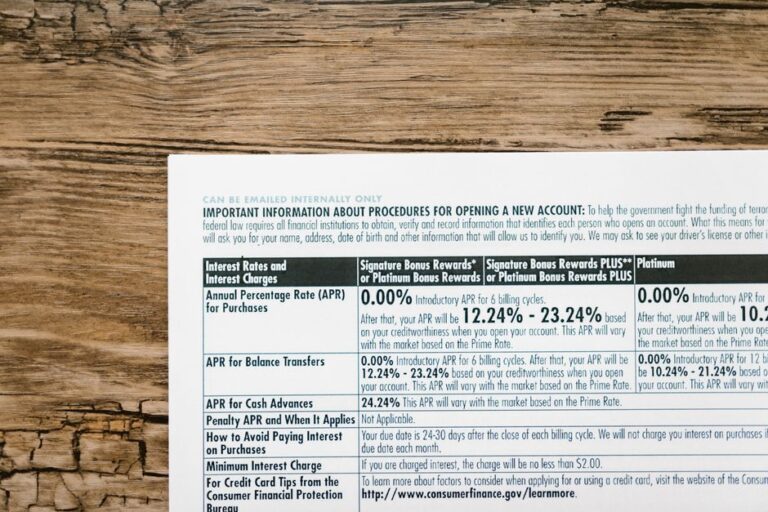
Best personal loan rates for credit scores 580–740 in 2026: lenders compared, APR ranges, origination fees, and prepayment penalties


Your credit score is a pivotal element in your financial life, significantly influencing your ability to secure personal loans. This three-digit number is a reflection of your credit history and serves as an indicator of your creditworthiness to lenders. A high credit score can open doors to better loan terms, including reduced interest rates, which ultimately saves you money over time. Understanding your credit score and learning how to improve it is essential before you apply for any personal loan.
In 2026, the relevance of credit scores continues to be a cornerstone of personal finance. Lenders meticulously assess risks based on these scores, making it imperative to enhance yours, particularly if it falls below a recommended range. A credit score of 700 or above is usually regarded as good, while scores below 600 can be seen as poor. By taking strategic steps to improve your score, you enhance your chances of loan approval and favorable lending terms.
Improving your credit score requires a strategic and thoughtful approach. Here are several actionable steps to consider:
Cultivating a strong payment history is essential for improving your credit score. Consider implementing the following strategies:
Effectively managing how you use your credit cards is vital for improving your credit score. Here are additional tips to optimize your credit card usage:
Your credit mix, which refers to the variety of credit types you possess, plays an important role in your overall score. A healthy mix often includes installment loans, such as personal loans or auto loans, along with revolving credit like credit cards. However, it is important to only take out credit types you genuinely need; diversifying your portfolio for the sake of it can lead to unnecessary debt.
To build a balanced credit portfolio:
After implementing these strategies, actively monitoring your credit score is crucial for evaluating your progress. Many services offer free credit score updates and insights into the various factors that influence your score. Regularly checking your credit allows you to stay informed and make necessary adjustments.
Utilize these useful tools and resources:
A good credit score for a personal loan typically ranges from 700 to 749. Scores above this threshold generally qualify for better interest rates and terms, which ultimately lead to lower costs over the life of the loan.
Improving your credit score can take as little as a few months or extend to several years, depending on your current score and how quickly you implement the suggested improvement strategies. Consistent efforts yield results over time.
Yes, you can still apply for a personal loan with a low credit score; however, you may face higher interest rates and less favorable terms. Understanding this can help you weigh the pros and cons before applying.
No, checking your own credit score is classified as a soft inquiry and does not impact your score. Regularly checking your credit report is encouraged to ensure its accuracy and to monitor your financial health.
Generally, keeping unused credit accounts open is advisable, as they contribute to your overall credit history and mix positively affecting your score. Closing them may shorten your credit history and could lead to a temporary dip in your credit score.
Understanding and improving your credit score is an ongoing process that can significantly impact your financial future. Implement the strategies outlined in this article, and take control of your credit journey today. For tailored advice and assistance with managing your personal finances, consider consulting a financial advisor or credit counselor. Your path to better credit starts now!