Best personal loan rates for credit scores 580–740 in 2026: lenders compared, APR ranges, origination fees, and prepayment penalties


Securing your first personal loan can be a significant step in managing your personal finances effectively. Whether you need funds for unexpected expenses, debt consolidation, or a major purchase, understanding the essential requirements and steps involved can make the process smoother. This guide will provide you with a comprehensive checklist to help you navigate the loan application process with confidence.
Before diving into the checklist, it’s important to understand what personal loans are. Personal loans are unsecured loans that can be used for various purposes, such as financing a wedding, funding home improvements, or covering medical bills. Unlike secured loans, personal loans do not require collateral, which means they are based primarily on your creditworthiness.
To secure your first personal loan, you will need to meet specific eligibility criteria. Below is a checklist of essential requirements you should prepare before applying.
Your credit score plays a crucial role in determining your eligibility for a personal loan. Lenders use this score to assess your creditworthiness and the likelihood of repayment. Generally, a score of 670 or higher is considered good.
Lenders will require various documents during the application process. Ensure you have the following ready:
Deciding how much money you need is vital. Consider your financial situation and the purpose of the loan. Avoid borrowing more than necessary, as this can lead to higher interest payments and increased debt.
Choosing the right lender is critical in securing a favorable personal loan. Different lenders offer varying terms, interest rates, and fees. Here are some tips to help you find the best option.
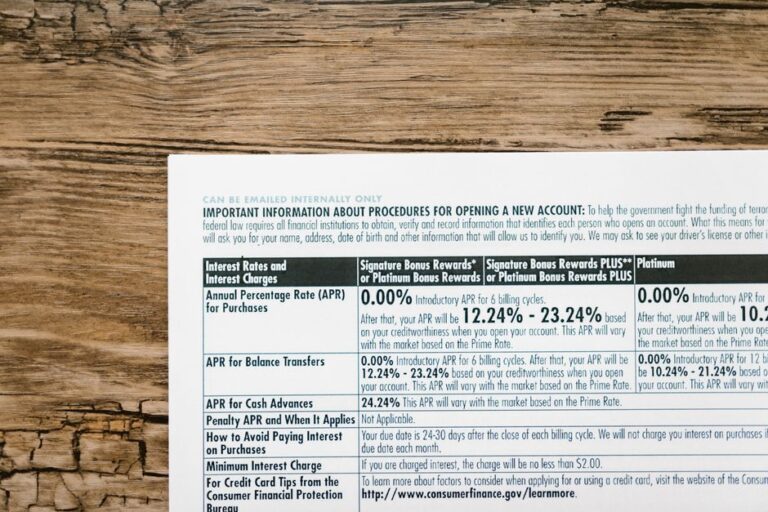
Interest rates can vary significantly among lenders. Always compare rates from multiple sources, including banks, credit unions, and online lenders.
Examine the terms of the loan, including repayment periods and any associated fees. Some lenders may charge origination fees or prepayment penalties, which can affect your overall cost.
Customer feedback can provide insights into a lender’s reliability and customer service. Look for reviews on reputable financial websites to gauge satisfaction levels.
Once you have selected a lender, it’s time to proceed with the application. Here’s a step-by-step guide to help you through the process.
Fill out the lender’s application form accurately. Provide all requested information and double-check for errors to avoid delays.
Attach the necessary documents you gathered earlier. Ensure everything is complete to facilitate a smooth review process.
After submitting your application, the lender will review your information. This process can take anywhere from a few hours to several days, depending on the lender.
If approved, carefully review the loan offer. Pay attention to the interest rate, repayment terms, and any fees. Don’t hesitate to ask questions if something is unclear.
If you are satisfied with the terms, sign the agreement and accept the loan. The funds will typically be disbursed shortly after acceptance.
Once you have secured your personal loan, managing it effectively is essential. Here are some tips to keep in mind.
Establish a budget that includes your monthly loan payments. This will help you stay on track and avoid late payments.
Timely payments are crucial for maintaining a good credit score. Set up reminders or automate payments to ensure you never miss a due date.
If possible, make extra payments towards your loan principal. This can reduce the total interest paid and shorten the loan term.
Most lenders require a credit score of at least 580, but a score of 670 or higher is often preferred for better rates.
Yes, some lenders offer personal loans to individuals with no credit history, but the terms may be less favorable.
Missing a payment can result in late fees and negatively impact your credit score. It is essential to communicate with your lender if you foresee any issues.
Typically, funds are disbursed within one to five business days after accepting the loan offer.
Many lenders allow early repayment without penalties, but it is crucial to check your loan agreement for specific terms.
Interest rates on personal loans can vary significantly based on several factors, including your credit score, income, and the lender’s policies. Generally, borrowers with higher credit scores receive lower interest rates.
Personal loans may come with fixed or variable interest rates. Fixed rates remain constant throughout the loan term, while variable rates can fluctuate based on market conditions. Understanding these differences can help you make an informed decision.
Before committing to a personal loan, it is advisable to compare offers from multiple lenders. This ensures that you find the best terms, including interest rates and repayment options, that suit your financial situation.