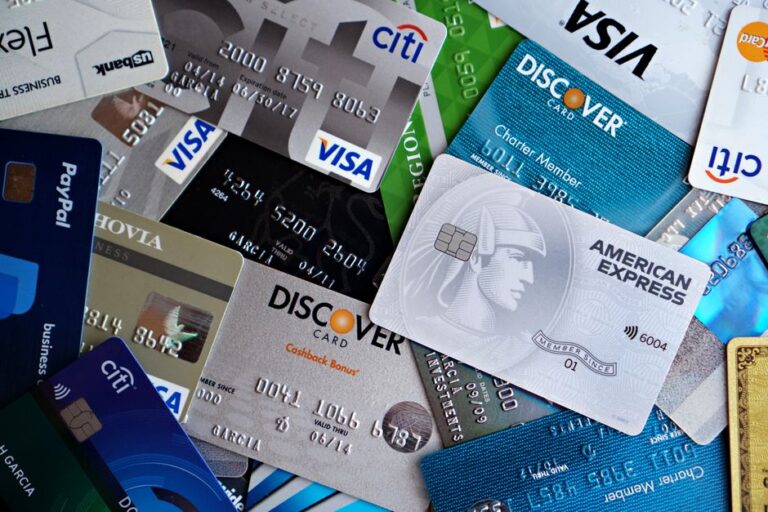
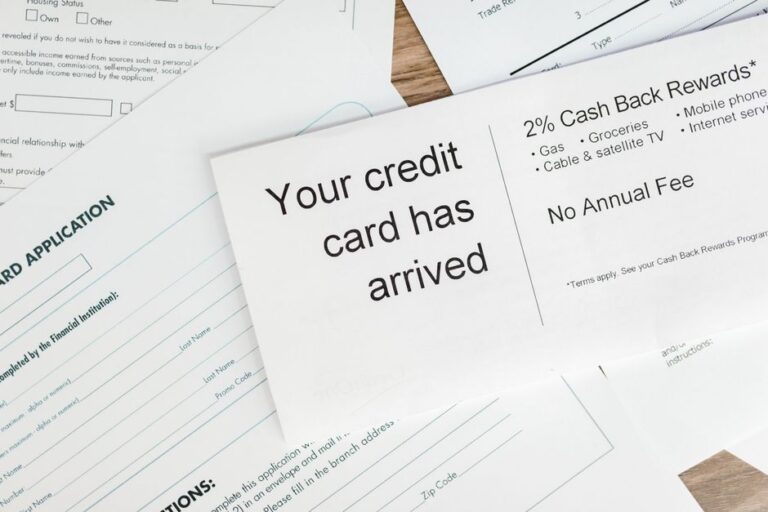
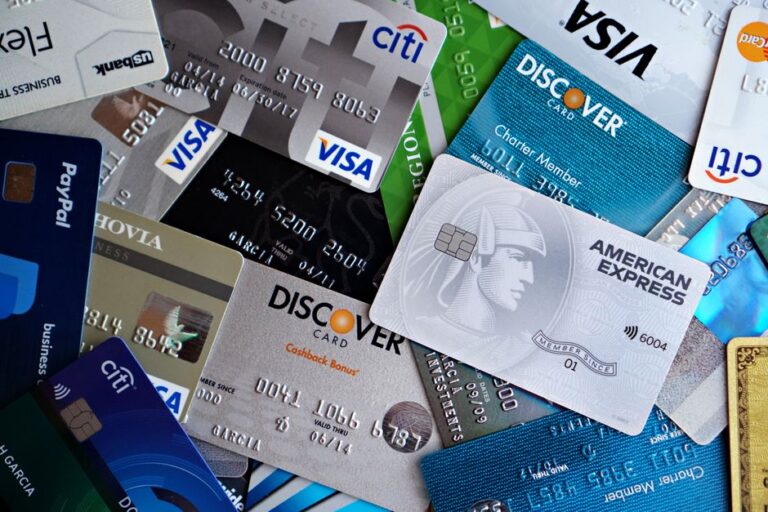
Credit cards can be powerful financial tools when used wisely. They offer convenience, rewards, and the ability to build a solid credit history. However, mismanagement can lead to debt and financial strain. This article provides five essential tips for using credit cards responsibly to build wealth, ensuring that you maximize benefits while minimizing risks.
Understand the Importance of Credit Scores
Your credit score plays a crucial role in your financial life. It influences your ability to secure loans, obtain favorable interest rates, and even affects rental applications. Understanding how your credit score is calculated can help you use your credit card effectively.
- Payment History: This accounts for 35% of your credit score. Always pay your credit card bills on time to avoid late fees and negative impacts on your score.
- Credit Utilization: Aim to use less than 30% of your available credit. High utilization can lower your score significantly.
- Length of Credit History: Longer credit histories are generally viewed favorably. Keep older accounts open, even if you don’t use them frequently.
- Types of Credit: A mix of credit types, including revolving credit (credit cards) and installment loans (car loans, mortgages), can enhance your credit profile.
- New Credit: Opening multiple new accounts in a short time can negatively impact your score. Limit new applications to maintain a healthy score.
Choose the Right Credit Card for Your Needs
Selecting the right credit card is essential for maximizing benefits and minimizing costs. Different cards cater to various financial habits and needs. Here are some factors to consider:
- Rewards Programs: Look for cards that offer rewards or cash back on purchases you make frequently. This can help you earn benefits while spending.
- Annual Fees: Some cards charge annual fees that can offset any rewards. Assess whether the benefits outweigh the costs.
- Interest Rates: If you plan to carry a balance, choose a card with a lower interest rate to minimize interest charges.
- Introductory Offers: Many cards provide attractive sign-up bonuses. Take advantage of these offers, but ensure you can meet the spending requirements.
Practice Responsible Spending Habits
Using a credit card doesn’t mean you should spend without a plan. Responsible spending is key to building wealth while avoiding debt. Here are some strategies to consider:
- Create a Budget: Establish a monthly budget that includes your expected credit card expenses. Stick to your budget to prevent overspending.
- Track Your Expenses: Monitor your purchases regularly. Use budgeting apps or spreadsheets to keep an eye on your spending habits.
- Limit Impulse Purchases: Before making a purchase, ask yourself if it’s a need or a want. This can help you avoid unnecessary spending.
- Set Payment Reminders: To avoid late payments, set up reminders or automatic payments for your credit card bills.
Leverage Credit Cards for Financial Growth
Credit cards can contribute to your financial growth when used strategically. Here are some ways to leverage them:
- Build Credit History: Regular, on-time payments help build a positive credit history, which can lead to better loan terms in the future.
- Earn Rewards: Use your credit card for everyday purchases to accumulate points, miles, or cash back that can be redeemed for travel or other expenses.
- Take Advantage of Grace Periods: Many credit cards offer a grace period on new purchases. Pay off your balance within this time to avoid interest charges.
- Emergency Fund: Consider using a credit card for emergencies, but ensure you have a plan to pay off the balance quickly.
Frequently Asked Questions about Responsible Credit Card Use
1. How can I improve my credit score with credit cards?
To improve your credit score, make timely payments, maintain low credit utilization, and avoid opening too many new accounts at once.
2. What should I do if I can’t pay my credit card bill on time?
If you can’t pay on time, contact your credit card issuer as soon as possible. They may offer options to help you manage your payments.
3. Is it better to pay off my credit card balance or just make the minimum payment?
Paying off the full balance is always better, as it helps you avoid interest charges. Making only the minimum payment can lead to debt accumulation.
4. Can I use my credit card for cash advances?
Yes, but cash advances often come with high fees and interest rates. Use them only in emergencies and pay them off quickly.
5. How often should I check my credit report?
It’s advisable to check your credit report at least once a year to ensure accuracy and monitor for any signs of fraud.
Understanding the Impact of Credit Utilization
Credit utilization refers to the ratio of your current credit card balances to your credit limits. Maintaining a low credit utilization ratio is crucial for a healthy credit score.
What is a Good Credit Utilization Rate?
A good target for credit utilization is below 30%. This means that if you have a total credit limit of $10,000, you should aim to keep your outstanding balances under $3,000.
How to Improve Your Credit Utilization
- Pay down existing balances regularly.
- Request a credit limit increase from your issuer.
- Avoid making large purchases on your credit cards.
The Importance of Building an Emergency Fund
Having an emergency fund is essential for financial stability. It provides a safety net that can prevent you from relying on credit cards during unexpected situations.
How Much Should I Save in My Emergency Fund?
A common recommendation is to save three to six months’ worth of living expenses. This amount can help cover unforeseen costs such as medical bills or car repairs.
Tips for Building Your Emergency Fund
- Set a monthly savings goal and automate transfers to your savings account.
- Cut unnecessary expenses and redirect those funds to your savings.
- Consider using any bonuses or tax refunds to boost your emergency fund.
Conclusion
Managing personal finances requires discipline and a proactive approach. By understanding credit card usage, focusing on credit utilization, and building an emergency fund, you can achieve greater financial health.
Investing for the Future
Once you have established a solid emergency fund, consider investing for long-term growth. Investing allows your money to work for you, potentially increasing your wealth over time.
Types of Investments to Consider
- Stocks: Ownership in companies that can provide high returns.
- Bonds: Loans to governments or corporations, generally less risky than stocks.
- Mutual Funds: Pooled funds managed by professionals, offering diversification.
Understanding Risk Tolerance
Before investing, assess your risk tolerance. This involves understanding how much risk you are willing to take based on your financial goals, timeline, and overall comfort level with market fluctuations.
Continuous Financial Education
Staying informed about personal finance trends and strategies is essential. Regularly educate yourself through books, podcasts, and reputable financial websites to make informed decisions.