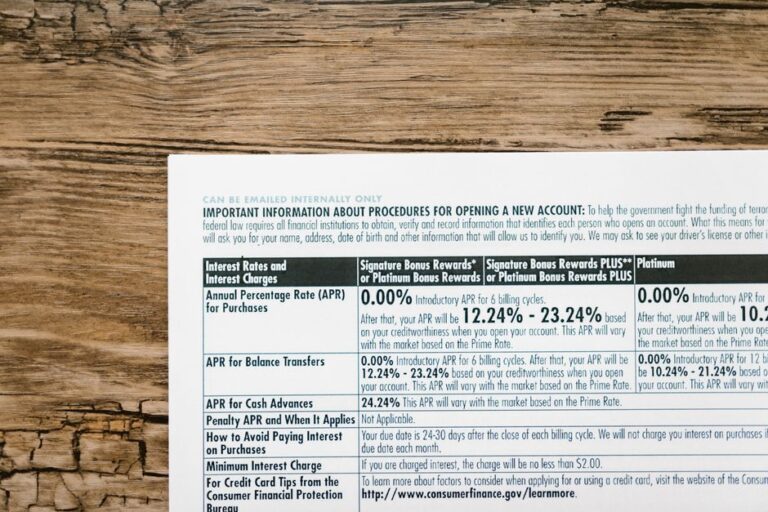
Understanding Personal Loans
Choosing the best personal loan for your unique financial needs is crucial for achieving your financial goals. Personal loans can offer flexibility and financial relief, but understanding the different types available and their features is essential. This article will guide you through the key factors to consider when selecting a personal loan, ensuring you make an informed decision that aligns with your specific situation.
Types of Personal Loans
Before diving into the selection process, it’s important to understand the various types of personal loans available. Each type serves different purposes and has distinct features.
- Secured Personal Loans: These loans require collateral, such as a car or savings account. They typically offer lower interest rates but carry the risk of losing the asset if you default.
- Unsecured Personal Loans: These do not require collateral and are based on your creditworthiness. While they offer more flexibility, they usually come with higher interest rates.
- Fixed-Rate Loans: With a fixed-rate loan, your interest rate remains constant throughout the loan term. This predictability makes budgeting easier.
- Variable-Rate Loans: These loans have interest rates that can fluctuate based on market conditions. While they may start lower, they can increase over time, impacting your total repayment amount.
- Debt Consolidation Loans: Specifically designed to combine multiple debts into one loan, these can simplify your payments and potentially lower your interest rate.
Assessing Your Financial Situation
Before applying for a personal loan, it’s vital to assess your financial situation. Understanding your needs and capabilities will help you choose the right loan.
- Determine Your Purpose: Identify why you need the loan. Whether it’s for home improvement, medical expenses, or debt consolidation, knowing your purpose will guide your choice.
- Evaluate Your Credit Score: Your credit score significantly influences the type of loan and interest rate you may qualify for. Obtain your credit report and check for any discrepancies.
- Calculate Your Budget: Determine how much you can afford to borrow and repay each month. Factor in your income, expenses, and any existing debts.
- Consider the Loan Amount: Choose a loan amount that meets your needs without overextending your finances. Borrow only what you need to minimize repayment burdens.
Comparing Loan Offers
Once you have assessed your financial situation, the next step is to compare different loan offers. This process will help you find the best terms and rates available.
- Interest Rates: Compare the annual percentage rates (APR) of various lenders. A lower APR means lower overall costs.
- Loan Terms: Review the repayment terms offered by different lenders. Common terms range from one to seven years. Choose one that aligns with your financial capabilities.
- Fees and Charges: Be aware of any associated fees, such as origination fees, prepayment penalties, or late payment fees. These can significantly impact the total cost of the loan.
- Customer Service: Research the lender’s reputation for customer service. A lender that offers support and guidance can ease your borrowing experience.
Understanding Loan Agreements
Before signing any loan agreement, it is crucial to understand the terms and conditions involved. A clear comprehension can prevent future misunderstandings.
- Read the Fine Print: Carefully review all terms, including interest rates, repayment schedules, and any penalties for late payments.
- Ask Questions: If anything is unclear, do not hesitate to ask the lender for clarification. Understanding every aspect of the loan is essential.
- Consider the Impact on Your Credit: Understand how taking out a loan will affect your credit score, particularly if you miss payments or default.
Frequently Asked Questions
What factors affect the interest rate on a personal loan?
The interest rate on a personal loan is influenced by several factors, including your credit score, income level, loan amount, and the lender’s policies.
Can I get a personal loan with bad credit?
Yes, it is possible to obtain a personal loan with bad credit, but you may face higher interest rates and limited options. Consider lenders that specialize in loans for individuals with lower credit scores.
How long does it take to get approved for a personal loan?
Approval times for personal loans vary by lender. Some lenders offer same-day approvals, while others may take several days to process your application.
What should I do if I cannot repay my personal loan?
If you find yourself unable to repay your personal loan, contact your lender immediately. They may offer options such as restructuring the loan or setting up a payment plan.
Are personal loans tax-deductible?
In most cases, personal loans are not tax-deductible. However, if the loan is used for specific purposes, such as business expenses, it may be eligible for deductions. Always consult a tax professional for personalized advice.
Understanding the Impact of Personal Loans on Credit Scores
Taking out a personal loan can influence your credit score in various ways. Initially, your score may dip slightly due to the hard inquiry made by the lender when you apply for the loan. However, timely repayments can improve your score over time.
How to Manage Your Personal Loan Effectively
To ensure that your personal loan remains manageable, consider the following strategies:
- Create a Budget: Outline your monthly income and expenses to allocate funds for loan repayments.
- Set Up Automatic Payments: Automating your payments can help prevent missed deadlines and late fees.
- Make Extra Payments: If possible, pay more than the minimum amount due to reduce the principal faster.
Alternatives to Personal Loans
If a personal loan does not seem suitable for your financial situation, consider these alternatives:
- Credit Cards: For smaller expenses, using a credit card may be more beneficial, especially if you can pay off the balance quickly.
- Peer-to-Peer Lending: Platforms that connect borrowers with individual lenders can offer competitive rates and terms.
- Home Equity Loans: If you own a home, tapping into your home equity can provide a lower-interest option for financing needs.
Conclusion
Understanding personal loans is essential for making informed financial decisions. By knowing your options, managing your loan effectively, and exploring alternatives, you can navigate your personal finance landscape with confidence.
Explore Additional Financial Strategies
Beyond personal loans, there are various strategies to enhance your financial situation. Diversifying your financial portfolio can lead to greater stability and growth.
Investing in Education
Investing in yourself through education can yield significant returns. Acquiring new skills or certifications can improve your earning potential and open new career opportunities.
Building an Emergency Fund
An emergency fund is crucial for financial security. Aim to save three to six months’ worth of living expenses to cover unexpected costs without relying on credit.
Budgeting Wisely
Creating and sticking to a budget helps you track your income and expenses. This practice encourages mindful spending and assists in achieving your financial goals.
Seeking Professional Advice
Consulting a financial advisor can provide personalized guidance. Professionals can help you create a tailored plan to manage your finances effectively and reach your objectives.