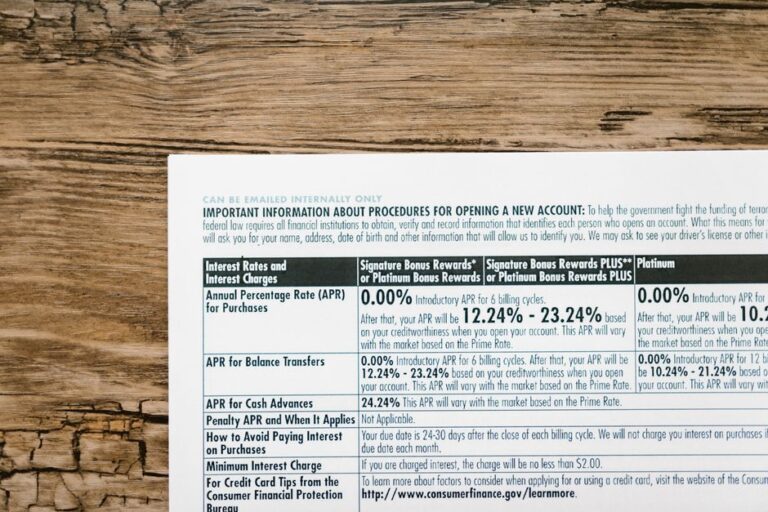
Best personal loan rates for credit scores 580–740 in 2026: lenders compared, APR ranges, origination fees, and prepayment penalties


Improving your financial health begins with a clear understanding of personal financing options. Knowledge of these options empowers individuals to make informed financial decisions, thereby enhancing their overall financial well-being. This article explores various types of personal financing, their benefits, and how to choose the best option for your needs.
When it comes to personal financing, there are several options available. Each type serves different purposes and comes with its own set of advantages and disadvantages. Understanding these can help you navigate your financial journey more effectively.
Personal loans are unsecured loans that can be used for various purposes, such as consolidating debt, funding a major purchase, or covering unexpected expenses. These loans typically have fixed interest rates and set repayment terms.
Credit cards are a popular form of personal financing that allows individuals to borrow money up to a certain limit for purchases. They offer the convenience of making purchases now and paying later, but they can also lead to debt if not used responsibly.
Home equity loans and lines of credit allow homeowners to borrow against the equity in their property. These options can be beneficial for funding large expenses, such as home renovations or education costs.
Selecting the right personal financing option requires careful consideration of your financial situation, needs, and goals. Here are some key factors to evaluate:
Before choosing a financing option, take stock of your current financial health. This includes evaluating your income, expenses, existing debts, and credit score. A clear understanding of your financial landscape will guide you toward the most suitable option.
Identify the specific purpose for which you need financing. Whether it is for debt consolidation, home improvement, or unexpected expenses, understanding the purpose will help you choose an option that aligns with your financial goals.
Interest rates and repayment terms can vary significantly between different financing options. Always compare these factors across multiple lenders to ensure you secure the best deal.
Once you have selected a personal financing option, it is crucial to manage it effectively to improve your financial health. Here are some strategies to consider:
Personal loans are often considered the best option for debt consolidation because they typically offer lower interest rates and fixed repayment terms.
To improve your credit score, pay down existing debts, make timely payments, and avoid taking on new debt before applying for a loan.
Yes, some personal loans may have origination fees, late payment fees, or prepayment penalties. Always read the terms and conditions carefully before committing.
Yes, credit cards can be a convenient option for emergencies, but it’s essential to have a plan to pay off the balance to avoid high-interest charges.
If you find yourself unable to make loan payments, contact your lender immediately to discuss options such as deferment or restructuring your repayment plan.
Interest rates play a crucial role in personal finances, particularly when it comes to loans and credit cards. A lower interest rate can save you a significant amount of money over time. It is important to compare rates from different lenders and understand how they affect your overall repayment amount.
When considering a loan, you will often encounter two types of interest rates: fixed and variable. A fixed interest rate remains the same throughout the loan term, providing stability in your monthly payments. In contrast, a variable interest rate can fluctuate based on market conditions, potentially leading to increased payments over time.
Improving your credit score is one of the best ways to secure a lower interest rate. Lenders view borrowers with higher credit scores as less risky, which can result in better terms. Additionally, shopping around for quotes from multiple lenders can help you find the most competitive rates available.
Creating a budget is essential when taking out a personal loan. A well-structured budget allows you to allocate funds for your loan payments while also managing your other expenses. This ensures that you do not overextend yourself financially.
Having an emergency fund can provide peace of mind and financial stability. Aim to save at least three to six months’ worth of living expenses to cover unexpected costs without relying solely on credit cards or loans.