
Best personal loan rates for credit scores 580–740 in 2026: lenders compared, APR ranges, origination fees, and prepayment penalties

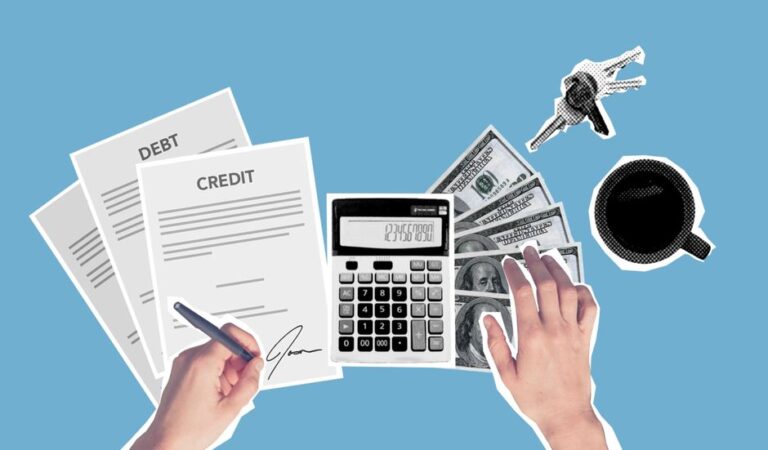
When considering a loan, many individuals overlook critical aspects of personal finance that can lead to costly mistakes. Understanding these pitfalls is essential for making informed decisions. This article outlines the top five personal finance mistakes to avoid when taking out a loan, ensuring you maintain financial stability and achieve your goals.
One of the most significant mistakes borrowers make is focusing solely on the loan amount without considering the total cost of the loan. This includes interest rates, fees, and other associated costs.
Before signing any agreement, calculate the total repayment amount to understand what you will ultimately pay.
Many borrowers settle for the first loan they encounter, missing out on potentially better deals. Shopping around is crucial for securing favorable terms.
Taking the time to research and compare options can yield substantial savings over the life of the loan.
Your credit score plays a pivotal role in determining the loan terms you receive. Neglecting to check your credit score before applying can lead to unfavorable loan conditions.
By being proactive about your credit score, you can position yourself for better loan options.
Before taking out a loan, it is vital to evaluate your ability to repay it. Many individuals underestimate their financial capabilities, leading to default.
By accurately assessing your financial situation, you can avoid taking on loans that may become burdensome.
Many borrowers fail to read the fine print of their loan agreements, which can lead to misunderstandings and unexpected obligations.
Reading the fine print can prevent future disputes and ensure you are fully informed about your obligations.
The most important factor is understanding the total cost of the loan, including interest rates and fees.
You can improve your credit score by paying down debts, ensuring timely bill payments, and checking for inaccuracies in your credit report.
A co-signer may be necessary if your credit score is low or if you lack sufficient income, as they can help secure better loan terms.
It is advisable to check your credit report at least once a year, or more frequently if you are planning to apply for a loan soon.
Yes, many lenders are open to negotiation, especially if you have a strong credit history or are a long-term customer.
When considering a loan, it is essential to understand the various types available. Each type serves different purposes and comes with its own set of terms and conditions.
Personal loans are typically unsecured loans that can be used for a variety of purposes, such as consolidating debt or financing a major purchase. They are usually based on your credit score and income.
Home loans, or mortgages, are used to purchase real estate. These loans generally require a down payment and are secured by the property itself, which means that failure to repay can result in foreclosure.
Auto loans are specifically designed for purchasing vehicles. Like home loans, they are secured by the vehicle, and the terms often depend on the buyer’s creditworthiness.
Student loans help cover the costs of higher education. They can be federal or private, with various repayment options and interest rates. Understanding the differences can help students make informed choices.
Once you have secured a loan, managing repayment effectively is crucial to maintaining your financial health.
Establishing a budget allows you to allocate funds specifically for loan repayments. This helps ensure that you do not miss payments and can manage your finances effectively.
Consider setting up automatic payments to avoid missing due dates. This can help you maintain a positive payment history and may even lower your interest rate.
If you encounter financial difficulties, communicate with your lender as soon as possible. They may offer options such as deferment or modified payment plans to assist you.
Regularly review your loan balance and repayment progress. This will help you stay motivated and informed about your financial situation.
Refinancing your loan can potentially lower your interest rate or monthly payments. This option may save you money in the long run and provide more manageable repayment terms.
Look for ways to generate extra income, such as side jobs or freelance work. This additional revenue can be directed towards your loan repayments, accelerating your debt payoff.
Research available financial resources that can offer guidance and support. Many organizations provide tools and advice to help individuals manage their personal finances effectively.
Adopting disciplined spending habits is crucial for successful loan management. Avoid unnecessary expenses and prioritize your financial obligations to stay on track.
Establishing an emergency fund can provide a safety net for unexpected expenses. This fund can prevent you from relying on credit when emergencies arise, ensuring your loan payments remain consistent.
Invest time in learning about personal finance concepts. Understanding budgeting, saving, and investing will empower you to make informed decisions regarding your financial future.