Best personal loan rates for credit scores 580–740 in 2026: lenders compared, APR ranges, origination fees, and prepayment penalties


Personal loans are versatile financial tools that can help you achieve various financial goals. Whether you need funds for debt consolidation, home improvements, or unexpected expenses, choosing the right personal loan is crucial. This guide will explore how to select a personal loan that aligns with your financial objectives and offers favorable terms.
Before selecting a personal loan, it’s essential to understand the different types available. Each type serves distinct purposes and comes with unique features.
Unsecured personal loans do not require collateral, making them a popular choice for borrowers. They typically have higher interest rates compared to secured loans due to the increased risk for lenders.
Secured personal loans require collateral, such as a car or savings account. These loans usually offer lower interest rates because the lender has a safety net in case of default. However, the risk is that you could lose the collateral if you fail to repay the loan.
When choosing a personal loan, you’ll encounter fixed and variable interest rates. Understanding the differences between them is crucial for making an informed decision.
Before applying for a personal loan, take the time to assess your financial needs. Understanding your requirements will help you choose a loan that best fits your situation.
Calculate how much money you need. Be realistic about the amount to avoid borrowing more than necessary. Consider factors such as:
Assess your ability to repay the loan. Consider your monthly income, current expenses, and any other financial obligations. A common rule of thumb is to keep your debt-to-income ratio below 36%.
Based on your financial assessment, set a budget for your monthly payments. This budget should be comfortable and not strain your finances. It’s essential to ensure that you can meet your obligations without sacrificing your lifestyle.
Once you have a clear understanding of your needs, it’s time to compare different loan offers. This step is critical to finding the best personal loan for your financial goals.
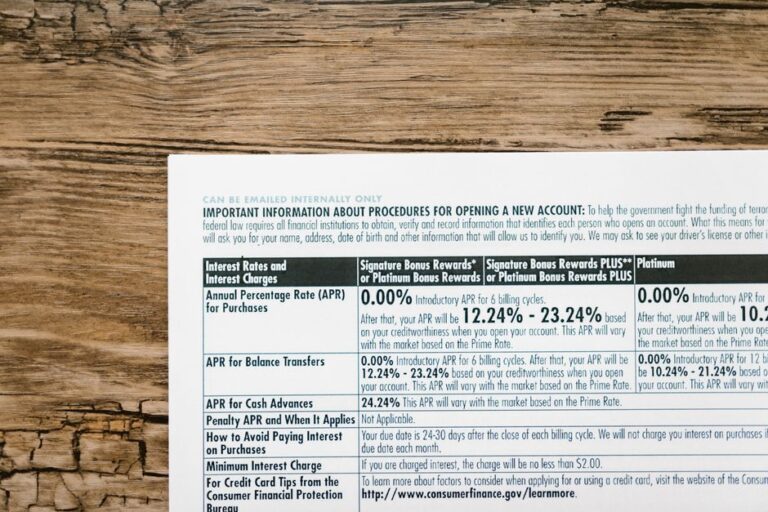
Pay close attention to interest rates and any associated fees. Look for loans with the lowest rates and minimal fees. Common fees include:
Review the loan terms and conditions carefully. Understand the repayment period, monthly payment amounts, and any penalties for late payments. A longer repayment term may lower your monthly payment but could result in paying more interest over time.
Research the lender’s reputation. Look for reviews and ratings from previous borrowers. Choose a lender with a strong track record of customer service and transparency.
After selecting the right loan, you can proceed with the application process. This step is straightforward but requires careful attention to detail.
Prepare the necessary documentation for your loan application. Common documents include:
Fill out the loan application accurately. Provide all requested information and double-check for any errors. A complete and accurate application can expedite the approval process.
Once approved, review the loan agreement carefully. Ensure that all terms match what you discussed with the lender. Don’t hesitate to ask questions if something is unclear.
The average interest rate for personal loans can vary widely based on factors like credit score and lender. Generally, rates range from 6% to 36%.
Approval times can vary by lender. Some lenders offer same-day approvals, while others may take a few days to process your application.
Many lenders allow early repayment of personal loans, but some may charge a prepayment penalty. Always check the loan agreement for details.
Missing a payment can result in late fees and negatively impact your credit score. It’s essential to communicate with your lender if you’re having trouble making payments.
In general, personal loans are not tax-deductible. However, if the loan is used for qualified expenses, such as home improvements, you should consult a tax professional for advice.
Interest rates on personal loans can significantly affect the total cost of borrowing. These rates can be fixed or variable, and they often depend on your credit score and financial history.
A fixed interest rate remains the same throughout the life of the loan, providing predictable monthly payments. In contrast, a variable rate can fluctuate based on market conditions, which may lead to changes in your payment amounts over time.
To secure the best interest rates, consider the following tips:
Personal loans come in various amounts and terms, typically ranging from $1,000 to $100,000, with repayment periods from one to seven years. It’s crucial to choose an amount and term that align with your financial situation and repayment ability.
When determining how much to borrow, consider your specific needs and budget. Avoid borrowing more than necessary, as this can lead to higher interest payments and financial strain.